Table Of Content

Dark green vegetables also provide iron and calcium, which are both essential to healthy hair. Vitamin A can also help the scalp produce sebum, oily secretions that can encourage healthy hair growth. Antioxidants fight oxidative stress and could help reduce hair loss by protecting those skin cells. In addition to omega-3s, protein, iron, fiber, vitamins A, B, C, D and E and zinc are all important for hair growth, according to a January 2017 report in Dermatology Practical & Conceptual. It’s worth noting that a common theme in the data was that too little or too much of a certain nutrient can have unfavorable effects on your hair. In light of this finding, following a balanced diet that includes nutrient-dense foods is one of the best ways to boost your hair growth regimen.
Beans
National Library of Medicine, as well as the thickness of your hair follicles and the number of follicles on your scalp. If you don’t love red meat, shellfish like cooked oysters also contain high amounts of zinc. Beans and other legumes are full of hair-nourishing ingredients, like protein, B-vitamins, and zinc, says Zive. Black beans, chickpeas, lentils, peas, and other pulses will help you switch things up and still pack tons of hair-healthy protein, iron, and fiber. If altering your diet doesn’t do the trick, speak to your doctor, suggests Salvatore J. Di Grandi, M.D., a dermatologist at CareMount Medical in Pawling, NY. Hair loss or drastic hair health changes could be a symptom of an internal disease, like an under-active thyroid, a liver issue, or an autoimmune condition like lupus.
stress

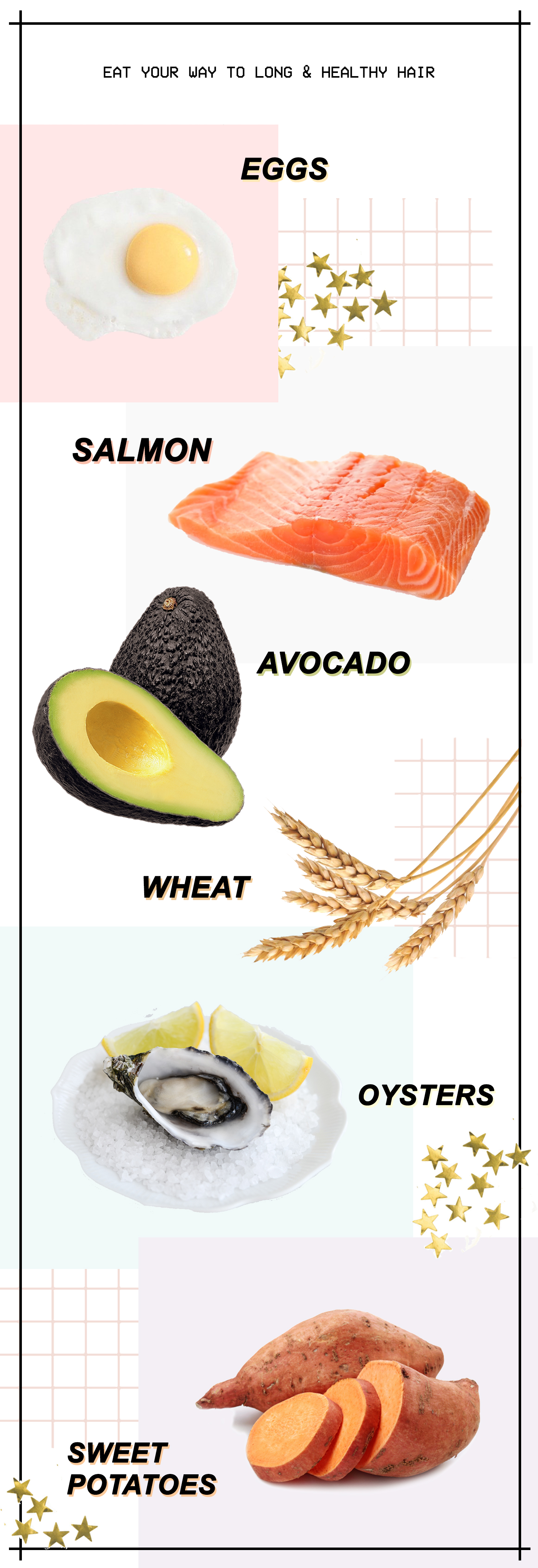
That being said, we wanted to get specific on what we can incorporate into our diet to get the locks of our dreams, so we tapped nutritionists and dietitians in addition to St. Surin-Lord. What’s more, salmon is one of the few foods that’s rich in vitamin D, an essential nutrient for hair health. Research suggests that vitamin D is required for a normal hair cycle and initiating the anagen or growth phase of the hair.
Important Foods That Support Hair Growth, Strength, and Health
In fact, the average sweet potato packs nearly six times your daily value of vitamin A, “which aids in sebum (a.k.a. oil) production and also may help speed up the rate of hair growth,” Dr. Klein says. Plus, all that vitamin A benefits your eye health and immune function, too. Some people use herbal supplements to promote hair growth, though research has not confirmed that these remedies work. An L-lysine deficiency can cause hair loss, but getting enough of this amino acid can prevent this issue and promote regular hair growth.
Research shows there is also an association between low iron and hair loss, although the exact role iron plays is still unclear (Park, 2013). Silica, which is found in many whole grains (along with raisins and beer), has been called the beauty mineral. Small studies show that silica may strengthen hair and prevent thinning, and other research suggests it helps deliver nutrients to the scalp, according to a May 2016 review in ABD Journal.
Sweet Potatoes
A 100-gram serving of spinach provides 573 micrograms and 281 milligrams of vitamins A and C, respectively. A 4-ounce portion will score you 23 grams of protein, nearly 3 mg of iron, and roughly 6 grams of unsaturated fats. Maintaining a nutritious diet is the best way to improve the health and growth of hair. Selenium concentrations in plant-based foods vary with geographic location and soil content.
8 foods that promote hair growth - DNA India
8 foods that promote hair growth.
Posted: Fri, 08 Dec 2023 08:00:00 GMT [source]
One of these compounds is spermidine, which is abundant in soybeans (31). An ounce (28 grams) of sunflower seeds provides nearly 50% of your daily vitamin E needs, with a wide variety of hair-healthy B vitamins (21). Legumes high in protein, fibre, and minerals include peas, beans, and lentils.
Specifically, some find that saw palmetto supplements help prevent and even partially reverse hair loss. Valerie Agyeman (she/her) is a women's health dietitian and the host of the Flourish Heights podcast, where she produces science-driven content covering overlooked nutrition, wellness and women’s health topics. She has over 10 years of nutrition communications, corporate wellness and clinical nutrition experience.
Eggs for Growth
In particular, this can be credited due to the dependence of the hair follicles on zinc to maintain its structural integrity. If you're suffering from hair loss, eat foods—like barley—that promote better blood flow to the scalp in order to help hair follicles survive, says Li. Each of the 100,000 hair follicles on your head is connected its own blood supply, and nurturing the circulation to those areas can help hair grow faster, says Li. Growth can also be sparked by delivering stem cells to your scalp—and there are plenty of foods that naturally increase the stem cells inside your body, he adds. Whether it’s oranges, lemons, limes, or grapefruit, you’re bound to find super high levels of hair-loving vitamin C in any citrus fruit option you choose. These fruits offer vitamin A and plant compounds, as well, more key nutrients for hair growth.
Gomer recommends eating fatty fish like herring and mackerel, as they 'have nutrients that may promote hair growth.' They are excellent sources of omega-3 fatty acids which is linked to hair growth. Some of the best foods for hair growth include eggs, fatty fish, berries, bell peppers, sweet potatoes, and more. Continue reading to learn more about how you can promote hair growth and healthy hair with food. Gomer recommends eating fatty fish like herring and mackerel, as they “have nutrients that may promote hair growth.” They are excellent sources of omega-3 fatty acids which is linked to hair growth. Biotin is often linked with beauty because it is vital for healthy hair, skin, and nails.
Protein is the building block of hair and eggs are one of the richest natural sources of protein. If you have any medical questions or concerns, please talk to your healthcare provider. The articles on Health Guide are underpinned by peer-reviewed research and information drawn from medical societies and governmental agencies. However, they are not a substitute for professional medical advice, diagnosis, or treatment. Spinach and other leafy green vegetables are excellent sources of micronutrients, like vitamin C and iron.



No comments:
Post a Comment